

Gas Safety Certificate For Landlords
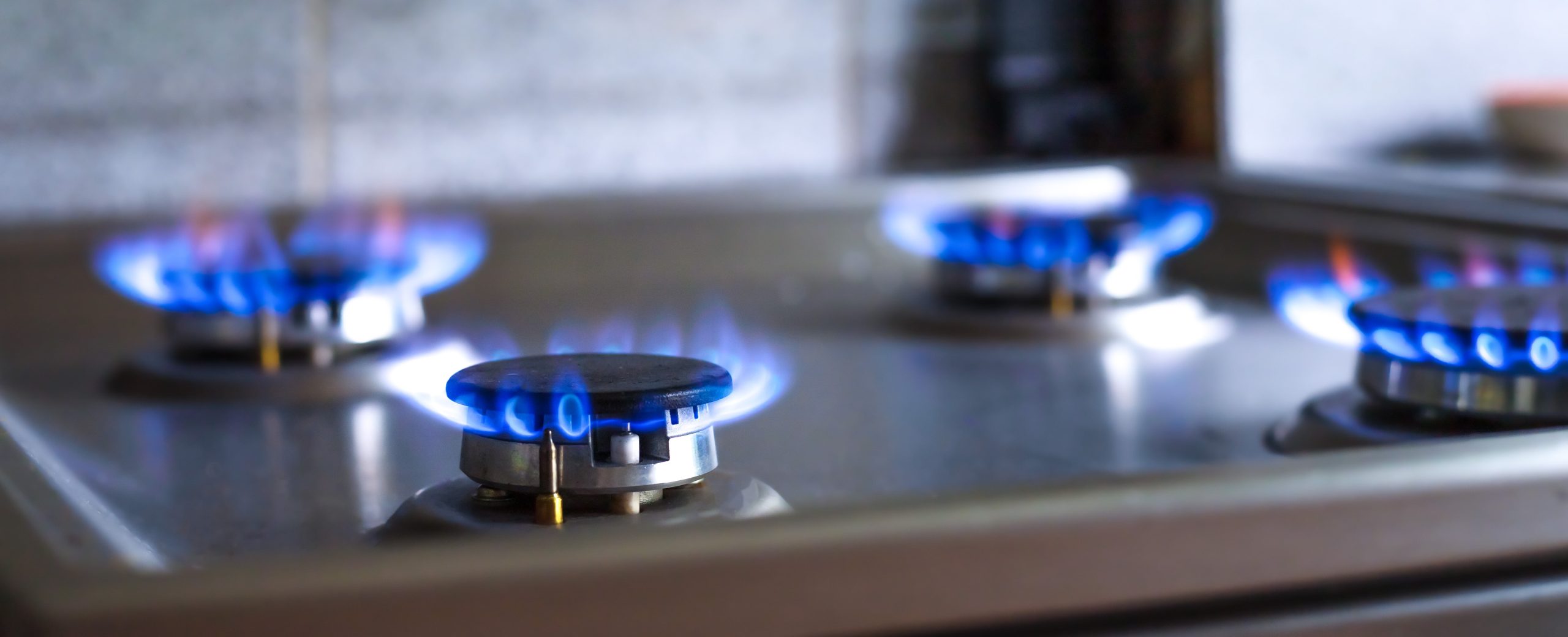
Landlords are responsible to ensure that their properties are in compliance with the minimum standards for gas safety. This is especially crucial for those who lease their homes. Tenants are also able to play a part by asking their landlord for a gas certificate, which is usually known as a CP12.
Failure to follow the law could result in serious fines for landlords in the UK. This article will examine the various elements of a gas certificate in the UK, including legal requirements and security measures.
Cost
The cost of a gas certificate safety can differ based on what appliances are being checked and the kind of appliance. It is nevertheless a necessary expense for landlords in order to ensure that their homes are safe and that they're in compliance with the laws. A certified engineer will examine the gas boiler, meter cookers, fires, and flues to make sure that they function correctly and there aren't any leaks. In addition the engineer will check that there is sufficient ventilation to avoid the build-up of carbon monoxide.
Landlords need to be aware of the potential penalties that could be imposed by failing to obtain a gas safety certification. The fines can be significant and could negatively impact a landlord's finances. It is essential to plan this cost. In addition to the cost of the gas safety check landlords should budget for any repairs or maintenance that may be needed.
All rental properties in the UK must have a gas safety certificate. This is a statutory inspection performed by a gas engineer in order to ensure that the property's gas appliances are current and in compliance with the legal standards. Gas safety certificates cost anything from PS50 to PS150. This includes an engineer's visit and testing of all pipes and appliances and issuing a certificate.
Generally, landlords must arrange for the CP12 Gas Safety Certificate to be carried out on all gas appliances within their rental property, including chimneys and flues that connect to them. This mandatory check should be conducted by an Gas Safe registered Engineer. A CP12 Gas Safety Certificate includes an assessment of the appliance as well as a venting check to ensure that combustible gasses, such as carbon dioxide, are not accumulating in the property.
Landlords should be aware that tenants are accountable for their own appliances as well as for any gas pipework that is connected to the appliances. However when the appliances are provided by the landlord or if the pipework is located on the landlord's property it is the landlord's responsibility to arrange for the CP12 Gas Safety Certificate.
How to Get a Certificate
As an owner, you must to ensure that your home is safe for your tenants. A gas safety certificate is one method to ensure the safety of your tenants. This document verifies the safety and efficiency of your gas appliances. The certificate is typically valid for 12 months, so it is essential to renew it prior to when it expires. The process is simple and cost-effective if you partner with a reputable company.
A qualified engineer will visit your property to conduct a thorough inspection of all gas appliances within your home. They'll make sure that the appliances are operating at the proper pressure, and they'll check that all flues are free of obstructions and that there aren't any blocked air passages. In addition they'll check that the ventilation channels are functioning properly, to ensure that harmful gases such as carbon monoxide don't escape to the outside world.
The engineer will write on your gas safety certification if an appliance fails the test. The engineer will issue it a code that reads as immediately Dangerous(ID), At Risk(AR), or Not to Current Standards(NCS). If an appliance has been marked with ID or AR it must be discarded and replaced as soon as is feasible. The engineer will also take note of any issues that need to be addressed.
Landlords who do not have a valid certificate of gas safety may be fined hefty amounts or even jail sentences. It's essential that you have your certificate in place before renting out a property. A gas safety test is a cheap and simple process, and it can assist in keeping your family and tenants secure.
It is a good idea to get a certificate of gas safety, even if it's not required. This will help homeowners feel more secure about the state of their gas and heating appliances and can help them spot problems before they become major. A valid gas safety certification can also increase the chances of selling your home. To arrange a gas safety inspection, you can visit the website of Mashroom and make the process simple and easy.
Legal Requirements
Gas safety certificates are a legal requirement that landlords must obtain to ensure the security of their tenants. If a landlord does not possess a gas safety certificate could face significant penalties. The engineer who conducts the inspection will check all gas appliances and flues in order to ensure they are safe to use. They will also evaluate the efficiency of combustion of the appliances to ensure that they aren't releasing too much carbon monoxide. The engineers will also note any issues on the gas safety certificates and suggest repairs or replacements if necessary.
Landlords are required to inspect their gas appliances every year and obtain a certificate of gas safety. They must also provide copies of the certificate to their tenants. If they fail to do so, they could be at risk of being fined or even criminal charges. The certificate only covers the gas appliances that belong to the landlord and not those brought in by tenants. However gas safety certificate grace period is accountable for any pipework or flues that connect to the appliance of a tenant.
In addition to being a legal requirement a gas safety certificate will also help landlords to maintain their image as responsible property owners. It can also be useful when selling a property, since prospective buyers would like to see evidence that the system has been checked. A certificate can be helpful in keeping tenants and maintain the value of a house.
A gas safety certificate is a legal requirement in the UK for landlords in order to ensure that their rental properties are safe for tenants. Gas safety certificates are required by landlords before they are able to rent their property. Landlords must keep their gas certificates up-to-date and provide a copy of the certificate to their tenants. If a landlord fails adhere to this requirement could be fined or sent to jail. A gas safety certificate is required as the absence of one can put tenants at risk, because it reveals that appliances have not been properly maintained or tested.
Safety Measures
Gas safety certificates are legally required for landlords to must obtain to ensure the health and safety of their tenants. Failure to adhere to this law could result in huge fines and reputational damage that may last for years. Gas safety checks aren't only legally required however they also help prevent accidents, ensure boiler efficiency, and extend the lifespan of appliances. Landlords should plan regular inspections to be up-to-date on the most current safety requirements. Furthermore having an official gas safety certificate could be a benefit during property sales or lettings because it shows that the house is safe for new residents.
Gas Safe-registered engineers will carry out a thorough inspection of all gas appliances and flues inside a home that is rented. They will then issue a certificate entitled CP12 which outlines the inspection results. The document will include the date of the inspection, a description for each appliance and the name of the engineer who conducted the test. The CP12 also identifies any defects and specifies what actions are needed to correct them.
The engineer will mark the appliance or installation with one of three codes if it is deemed dangerous: Immediately Dangerous, At Risk, or Not according to current Standards. The code identifies the severity of the threat that the appliance is posing to the tenants and outlines the steps the landlord needs to take to correct the problem.
The cost of a gas safety certificate varies according to the location and the complexity of the inspected property. However you can reduce the cost of a gas inspection by using a rental agent that includes the service as part of their management fee. In addition, you could also save on the cost by 'lumping' your products together, for example, having your boiler checked in the same time as the gas safety inspection.
The law requires landlords inspect their properties' gas appliances every year and obtain an official gas safety certificate. This law is designed to safeguard tenants from explosions, fires, and carbon monoxide poisoning. Landlords are also responsible for providing a copy of the certificate to tenants within 28 days of the date of inspection. Failure to do so could result in a substantial penalty or even imprisonment in extreme cases of gross negligence.